OUR SOLAR STREETLIGHT WILL BRIGHTEN YOUR LANDSCAPE AND SAVE WITH SOLAR STREET LIGHTING

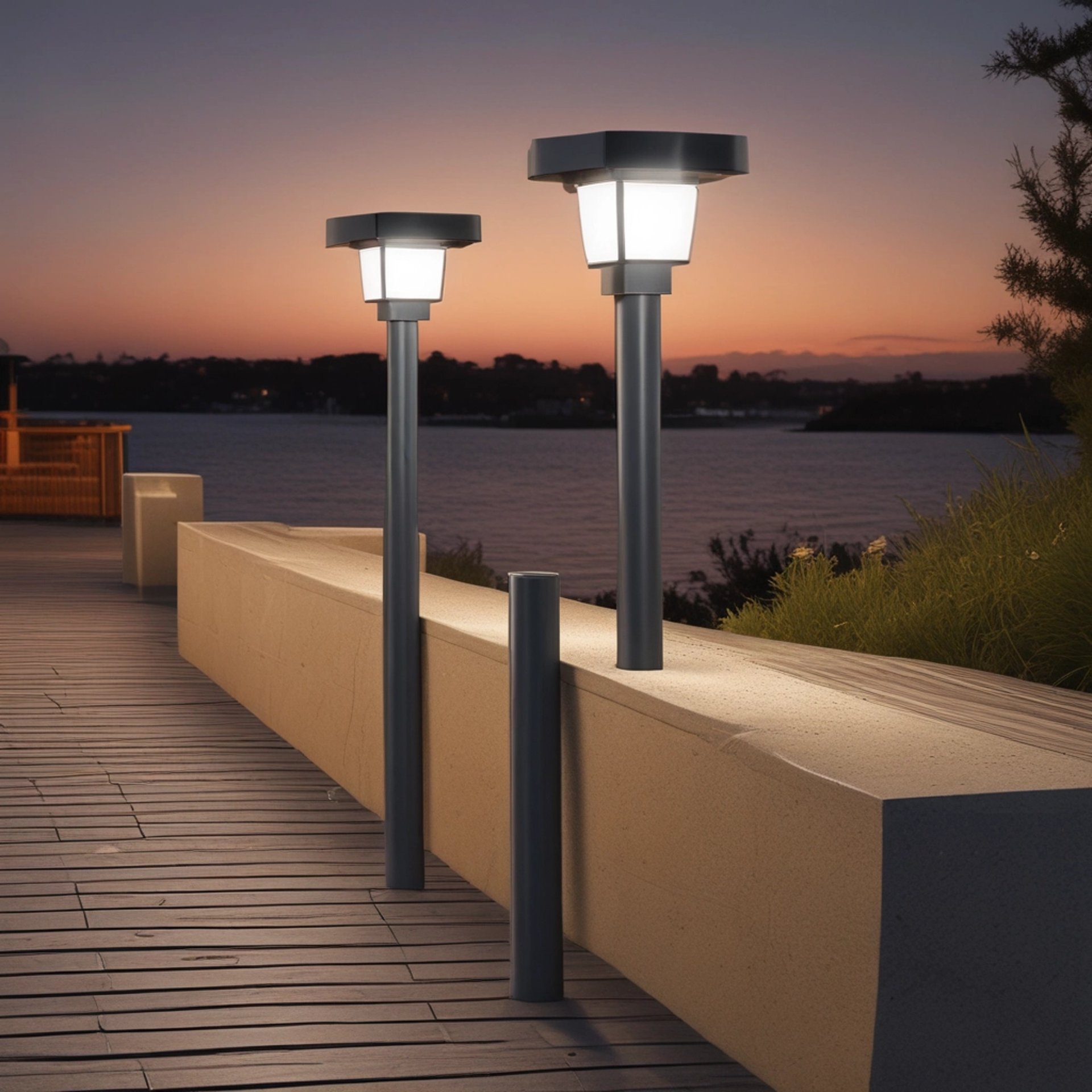
Dock Solar Light
At SolarCity Solar Lights dock solar light, we pride ourselves on being premier providers of high-quality solar landscape lighting solutions. Our commitment extends beyond mere sales and installation; we work collaboratively with builders, contractors, and architects to enhance outdoor spaces with sustainable light solutions. We believe that every project should embrace the principles of green building and sustainable design. To this end, we offer expert consultation services aimed at integrating our state-of-the-art dock solar lights into your green-building initiatives. With a strong focus on environmental sustainability, we are proud supporters of green building practices both in Australia and across the globe. Our accent dock solar light products represent the pinnacle of innovation in solar technology. Each self-contained solar-powered dock light utilizes the latest advancements in solar cell efficiency, LED lighting brilliance, and ultracapacitor technology. This ensures not only lower energy consumption but also enhances the safety of walking spaces, providing peace of mind for residents and property owners alike. With our solar LED technology, you can achieve a clean, wireless lighting solution that requires minimal maintenance, allowing you to enjoy brilliantly illuminated spaces without the hassle of traditional lighting systems. Imagine transforming your outdoor areas into inviting, well-lit environments while reducing your carbon footprint. Whether you're a contractor seeking reliable, energy-efficient lighting solutions for your projects or a homeowner looking to elevate your landscape aesthetics, SolarCity Solar Lights is here to illuminate your path towards a brighter and more sustainable future. Join us in our mission to promote green living, and let’s harness the power of the sun together!
In today's world, where environmental awareness is at an all-time high, making sustainable choices for your property is more important than ever. Our dock solar lights are an exceptional solution that not only enhances the aesthetic appeal of your home but also significantly contributes to making your property more environmentally friendly. By harnessing the power of the sun, our solar lights operate without drawing energy from traditional power grids, thereby reducing greenhouse gas emissions that contribute to climate change. This transition to solar energy means that your home will have a smaller carbon footprint, supporting global efforts to combat environmental degradation. Moreover, our dock solar lights can help lower your running costs. Conventional lighting systems can lead to high electricity bills, especially during peak hours. By switching to dock solar lighting, you tap into renewable energy that is both free and abundant. With the installation of dock solar lights, your property will reflect a higher energy score, signaling to you and potential buyers that your home is equipped with energy-saving features. This can prove to be a valuable asset should you consider selling in the future. Not only do our dock solar lights provide practical benefits, but they also offer a unique opportunity to enhance your outdoor spaces. Imagine a beautifully lit pathway, or a stunning garden illuminated at night, all powered by sustainable energy. Our dock solar lights come in a variety of designs to match your home’s style while contributing to a greener planet. In summary, choosing our dock solar lights means prioritizing both your property and the environment. By reducing greenhouse emissions, cutting down on energy costs, and boosting your home’s energy score, you are making a conscientious choice that benefits not just you, but also the wider community and the earth. Embrace sustainability today and let our dock solar lights transform your property into a beacon of environmental responsibility.
Key Features
Safe marine navigation
Bright LED options
Weatherproof designs
Best Uses
Boat ramps
Jetties and piers
Pontoons
docks
jetty lights
dock light
pontoon lights solar
wharf solar lights
boardwalk lights
deck lights
coastal lighting
marina lighting
foreshore lighting
waterway lighting

SolarCity Solar Lights is dedicated to delivering premium performance when it comes to dock solar light solutions for jetties, docks, wharf, pontoons, and all types of boat ramps. Our commitment to quality and innovation ensures that each lighting installation enhances safety, visibility, and aesthetic appeal in marine environments.
As the demand for sustainable and environmentally friendly solutions grows, SolarCity Solar Lights stands at the forefront of harnessing solar energy to provide reliable solar lighting options for both residential and commercial waterfront properties. Our dock solar lights are designed to withstand the harsh marine conditions, ensuring durability and longevity while maintaining high efficiency.
Key Features of SolarCity Solar Lights:
1. Premium Performance: Each dock solar light is engineered for optimal performance, providing bright illumination that enhances safety during the night. Our dock solar light utilize advanced solar panels that capture sunlight efficiently, guaranteeing long-lasting battery life, even in low-light conditions.
2. Robust Design: Our products are built to endure the rigors of marine environments. With corrosion-resistant materials and weatherproof designs, Our dock solar light is the perfect choice for anyone managing waterfront infrastructures like jetties and docks.
3. Easy Installation: Our dock solar light is designed for straightforward installation, minimizing disruption during setup. No wiring is required; simply mount the light in the desired location and let the sun do the rest. This convenience is particularly beneficial for remote locations where access to power sources may be limited.
4. Energy Efficiency: By utilizing solar energy, our dock solar light not only provide illumination but also reduce electricity costs and environmental impact. SolarCity Solar Lights is dedicated to promoting green energy solutions that support sustainable development in coastal and riverside areas.
5. Versatile Applications: Whether illuminating a busy boat ramp, guiding vessels at a wharf, or enhancing the ambiance of a residential pontoon, our dock solar light cater to a wide array of applications. This versatility makes our solar lights the ideal choice for individuals and communities seeking reliable lighting in various marine settings.
6. Smart Technology: Some models come equipped with smart technology features, including motion sensors and adjustable brightness levels. These enhancements optimize energy usage and adapt the lighting based on real-time conditions, providing an intelligent lighting solution for waterfront sites.
The Difference:
We recognize the unique challenges faced by maritime infrastructure, which is why our dock solar light is crafted with precision and care. Our team of experts continually seek out the latest technologies and materials to ensure that our products not only meet but exceed industry standards. We take pride in our high-quality manufacturing processes and rigorous testing, assuring customers that they receive only the best in solar lighting.
Commitment to Sustainability:
Using solar energy not only cuts down on energy consumption but also promotes a sustainable approach to lighting in marine environments.
This company is committed to reducing the carbon footprint of residential and commercial waterfront structures. By choosing our dock solar light, you're investing not just in illumination, but in the preservation of our natural shores and waterways.
Customer Satisfaction:
We believe that great customer service is just as important as the products we offer. Our team is dedicated to helping clients choose the right dock solar light solution for their specific needs. With a commitment to satisfaction, we provide comprehensive support from the inquiry stage through to installation and maintenance. Each customer is treated with personalized attention, ensuring that their unique requirements are met.
Light up your landscape today.


Dock solar lights are innovative outdoor lighting solutions that utilize solar energy for illumination. Solar dock lights are powered by solar cells, which convert sunlight into electricity. By harnessing the power of the sun, dock solar lights provide a sustainable, cost-effective, and environmentally friendly alternative to traditional street lighting systems. A typical dock solar light consists of several key components, including solar panels, a rechargeable battery, an LED light fixture, and a controller. The solar panels are mounted on top of the lamp post or a nearby structure, capturing sunlight during the day. This energy is then used to charge the rechargeable batteries, which store the power for use during the night when illumination is necessary. The operation of solar-powered dock lights is relatively straightforward. During daylight hours, the solar panels absorb sunlight and convert it into electrical energy. This energy charges the batteries, ensuring that there is sufficient power stored for the night. When the sun sets, the light fixture is automatically activated by a controller, drawing power from the batteries to illuminate the surrounding area. Dock solar lighting has been in use for many years, and its popularity continues to rise due to the numerous benefits it offers. These lights are not only energy-efficient but also reduce reliance on the electrical grid, leading to lower energy costs and decreased carbon emissions. Additionally, because they require no wiring and are easy to install, dock solar lights can be deployed in remote areas where traditional electrical infrastructure may be lacking. The advantages of dock solar lights extend beyond energy savings. They provide a reliable source of illumination that enhances public safety by increasing visibility at night. Furthermore, the use of LED technology in many dock solar lights means that they can last longer and consume less power than conventional lighting solutions. In summary, dock solar lights represent a remarkable advancement in outdoor lighting, capitalizing on renewable energy to fulfill urban and rural lighting needs. Their ability to harness sunshine effectively makes them a sustainable choice that contributes to greener cities and reduction of our carbon footprint.
A Guide to Dock Street Lighting
Proper lighting is essential for any waterway marine infrastructure and significantly increase both safety and usability.
Before diving into the complexities of solar LED lighting design, it is crucial to grasp the primary purpose of solar lighting.
Purpose of Dock Solar Lighting
One of the main objectives of dock/pontoon lighting is to enhance the range of visibility along the birth. Properly designed lighting systems extend visibility both longitudinally and horizontally, allowing drivers to see further along the jetty and to recognize potential obstructions or features within their field of vision. This is vital for safer travel as it aids users in spotting delineations, signs, jetty markings, pedestrian crossings, and walkways, which can significantly reduce the likelihood of accidents. In addition to enhancing visibility, effective path lighting helps to delineate the edges of the waterway infrastructure and highlight surrounding areas. Well-lit marinas and paths make it easier for pedestrians to understand their environment and can reduce stress during nighttime travel. Observing how landmarks curves, dips, or transitions, promoting a sense of security for users.
Benefits of Dock Solar Lighting:
The advantages of implementing effective solar marina lighting include:
1. Increased Safety: Good solar dock lighting minimizes accidents by illuminating the waterway and potential hazards, allowing users to react appropriately.
2. Improvements in Visibility: A well-lit dock enhances the maximum distance pedestrians can see each other, fostering mutual awareness.
3. Enhanced User Experience: Less intimidating and more comfortable travel can be achieved through adequate lighting, contributing to overall well-being.
4. Defining Pathways: Illuminated pathways provide clearer definitions of lanes, pedestrian crossings, and approaching traffic, helping to prevent confusion.
Key Considerations in Dock Solar Light Design
When designing dock solar lighting system for waterways, there are several vital factors to consider:
- Luminaire Types: Selecting the right kind of luminaires is essential. LED lights are increasingly popular due to their longevity, energy efficiency, and light quality.
- Light Distribution: Understanding the required light distribution pattern is crucial, as it affects how light spreads across the path. It is important to avoid overly bright spots and ensure even illumination.
- Mounting Height and Spacing: The height at which lighting fixtures are mounted and the spacing between them should be optimized to achieve the desired light levels and distribution on the waterway.
- Lighting Levels: The amount of illumination required can vary depending on waterway type, traffic volume, and location (urban vs. rural). Standards from authorities such as the Illuminating Engineering Society (IES) and MIA can guide these choices.
- Environmental Considerations: Lighting design should also take into account environmental factors. Glare control, light trespass, and the visual impact on the surrounding community and wildlife need to be appropriately managed.
Implementation of Dock Solar Street Lighting
The shift to Waterway Solar Lighting has revolutionized LED lighting design.
Solar LED fixtures offer numerous benefits:
- Energy Efficiency: LEDs consume significantly less energy than traditional light sources, resulting in lower operating costs.
- Longevity: With longer lifespans, LED lights require less frequent replacements, reducing maintenance costs and downtime.
- Quality of Light: LEDs provide excellent color rendering, improving the visibility of objects on the waterway and enhancing the safety and comfort of users.
- Smart Technology Integration: Solar LED lighting systems can easily be integrated with smart technology for adaptive lighting controls, which adjust brightness based on traffic conditions, improving safety and energy consumption.
Conclusion In summary, proper solar marina lighting is crucial for enhancing visibility, defining waterways, paths and providing a safer and more comfortable experience for all users.
By considering key elements of solar pontoon light types, distribution, mounting, environmental concerns, and the advantages of modern LED technology, communities can significantly improve waterway safety and usability.
With careful planning and execution, effective marina lighting can pave the way for a brighter, safer future on our waterways.
A Comprehensive Guide to Marina Lighting
Introduction Marina lighting plays a crucial role in the safety and functionality of urban and rural transportation systems.
Properly designed and strategically placed lighting not only enhances visibility but also contributes to the overall aesthetic of marinas.
This guide will delve into the importance of marina lighting and provide insights into effective lighting design principles.
Purpose of Marina Lighting Before designing a lighting system for marinas, it’s essential to understand its primary objectives:
1. Enhancement of Visibility: The foremost goal of marina lighting is to extend the visibility range beyond that provided by vehicle headlights. This is vital for safe navigation, ensuring that users can see other vessels, pedestrians, and potential obstacles both longitudinally (along the marina) and horizontally (across intersections or curves).
2. Identification of Marina Features: Good lighting allows users to discern vital marina features such as dock markings, signage, and topographical nuances, which can affect navigation behavior. Proper illumination can guide users, making it easier for them to respond to sudden conditions or navigate complex areas.
3. Reduced Stress for Marina Users: When the marina is well-lit, it fosters a feeling of safety among users. This psychological comfort reduces stress, allowing users alike to concentrate better on their surroundings, thereby minimizing the potential for accidents.
4. Defining the Marina: Effective lighting helps define the edges of the marina and enhances the visibility of surrounding areas. This is especially important in rural settings, where dark areas can create uncertainty for users. The clarity provided by adequate lighting can enhance the overall experience.
Principles of Marina Lighting Design The design of marina lighting systems involves several key principles to ensure effectiveness and reliability:
1. Lighting Levels: Different marina types require varying levels of illumination. High-traffic areas necessitate brighter lighting due to higher activity levels, while quieter sections can function well with softer lighting.
2. Uniformity: Achieving uniform light distribution is vital for reducing glare and shadow spots. Everyone using the marina should have consistent visibility, as it helps in anticipating and reacting to the actions of other users.
3. Type of Lighting: The choice of lighting technology significantly impacts performance. LED lights are increasingly popular due to their energy efficiency, longer lifespan, and lower maintenance costs. Additionally, LEDs provide better color rendering, which can improve visibility (e.g., seeing signs) at night.
4. Light Spacing and Placement: The placement of light poles should be strategically planned to minimize gaps in coverage while preventing excessive overlapping. Spacing these lights too far apart can result in dark spots that could create hazardous conditions. Factors such as area width, height, and mounting angle of the lights should also be considered.
5. Environmental Considerations: When designing marina lighting, it is crucial to consider environmental impact. Shielding lights to direct illumination downward can help prevent light pollution, protecting nocturnal wildlife and enhancing the visibility of stars in less urbanized areas.
6. Automation and Control: Including modern technology such as adaptive lighting control systems can improve efficiency. These systems can adjust brightness based on real-time conditions, reducing energy use during low-traffic hours while ensuring adequate visibility during peak periods.
Conclusion Implementing proper marina lighting is essential for safety, efficiency, and comfort for all marina users.
By following these design principles and understanding the critical functions of lighting, municipalities and planners can create safe and inviting travel environments.
In an age where sustainability is paramount, the choice of lighting technology, particularly LED options, offers significant benefits.
Investing in adequate marina lighting is not merely a matter of aesthetics; it is an investment in the safety and well-being of the community.
Illuminating Your Outdoor Waterways:
A Comprehensive Guide to dock solar lighting
Waterway platforms are more than just outdoor spaces; they serve as tranquil retreats where you can unwind after a challenging day at work. The soothing ambiance of a pontoon allows you to forget about your worries while surrounded by nature.
However, as twilight descends, the need for adequate lighting becomes imperative to maintain that blissful state. Without proper illumination, your beautiful boat ramp becomes less inviting once the sun sets. If you're in the market for dock a solar light, you've come to the right place.
This ultimate guide showcases everything you need to know, ensuring you make informed decisions while enhancing your outdoor waterway experience.
1. Advantages of LED Dock Solar Light When it comes to boat ramp solar lighting, Light Emitting Diodes (LEDs) are the gold standard.
Here are several compelling advantages of choosing LED technology:
-Energy Efficiency: LED lights consume significantly less energy than traditional bulbs, which translates to longer-lasting power from your solar batteries. This efficiency not only benefits the environment but also saves you money in the long run.
-Longevity: LEDs boast an impressive lifespan, often lasting upwards of 25,000 hours. This durability means you won’t need to replace your courtyard lights as frequently, minimizing maintenance efforts.
-Brightness Options: LED solar lights come in various brightness levels, allowing you to create the perfect atmosphere depending on the occasion.
From soft, ambient lighting for relaxation to brighter settings for gatherings, LED options won’t disappoint.
-Weather Resistance: Designed to withstand outdoor conditions, many LED solar lights are built with durable, weather-resistant materials.
This material ensure they function optimally regardless of rain or shine.
-Low Heat Emission: Unlike traditional bulbs, LEDs release very little heat. This characteristic makes them safer to use around plants and flammable materials, which is particularly important in a waterway setting.
2. Understanding the different types of solar dock lights can help you create a well-lit and visually appealing space:
-Solar Dock Lights: Ideal for illuminating waterways and boundaries, solar path lights guide guests safely through your boat ramp.
They typically feature stakes to place directly into the platform, ensuring hassle-free installation.
-Dock Mounted Solar Lights: These lights are attached to pontoon supports, platform or poles, providing an attractive and functional way to light up vertical surfaces.
They are perfect for enhancing architectural features while adding safety to entrances.
-Spotlights and Floodlights: For accentuating specific features on your waterway path, solar spotlights and floodlights are excellent options.
They provide focused lighting and can drastically improve the visual impact of your boat ramp.
3. Key Considerations When Choosing dock solar light, selecting the right solar dock light involves more than just aesthetics.
Here are some critical factors to take into account before making your purchase:
-Brightness and Lumens: Assess the brightness that suits your needs.
-Higher lumens equate to brighter lights, so determine the level of illumination required for different areas of your space.
-Solar Panel Efficiency: Look for solar lights with high-efficiency panels that can maximize sunlight absorption.
-More efficient panels will ensure that your lights charge even on cloudy days or in less than optimal sunlight conditions.
-Battery Capacity: The capacity of the battery affects how long your lights will last throughout the night.
-Ensure that the chosen lighting system provides sufficient run time to meet your requirements.
-Design Style: Choose lights that complement your courtyard’s aesthetic. Whether it’s rustic, modern, or eclectic, the right lighting can accentuate your style.
-Installation Ease: Many dock solar lighting options are designed for simple installation.
-Opt for products that don’t require complex wiring or professional help to ensure a stress-free setup.
4. Maintenance Tips for dock solar light to keep your dock solar light functioning optimally, consider these maintenance tips:
-Regular Cleaning: Dust and debris can inhibit solar panels' ability to absorb sunlight. Clean the panels regularly to ensure maximum efficiency.
-Check Battery Health: Over time, batteries can degrade. Periodically check the battery condition, and replace it if necessary to maintain the lights' performance.
- Test Settings: If your lights have adjustable settings, ensure they are appropriately configured for different seasons or purposes.
-Inspect for Damage: At the start of each season, inspect your solar lights for any physical damage or wear and tear.
-Address any issues promptly to avoid further complications.
5. Conclusion: Transform your waterway with dock solar lighting, investing in solar dock lighting is a fantastic way to enhance your outdoor experience.
By choosing LED options, understanding the various types available, and considering essential lighting features, you can create a beautiful, inviting atmosphere for your waterway.
With the right solar dock light solution, you’ll be able to enjoy your outdoor sanctuary long after the sun has set.
So, let your waterway shine brightly with the elegance of solar dock light, and embrace those peaceful evenings under the stars.
Solar Marina Lights:
A Beacon of Sustainability and Cost-Efficiency In a world grappling with climate change and an increasing demand for energy, the need for sustainable solutions has never been greater.
Solar marina lights stand out as an innovative response to this challenge, utilizing renewable energy to illuminate our marinas.
By harnessing the power of the sun, these lights convert sunlight into electricity through advanced photovoltaic panels, allowing them to operate off grid.
This not only significantly reduces our dependency on fossil fuels but also plays a crucial role in decreasing carbon emissions.
The use of solar energy as a sustainable source means that solar marina lights are contributing to a cleaner and greener environment for generations to come.
As cities and communities around the globe shift from traditional lighting methods to renewable energy options, the benefits of solar marina lights become increasingly apparent.
A Shift Towards Affordability One of the most compelling advantages of solar marina lights is their cost-effectiveness.
Traditional marina lighting systems often come with high electricity bills, draining budgets and resources. However, with solar marina lights, you can wave goodbye to these inflated costs. They require minimal maintenance and incur no running energy expenses, as they draw power directly from the sun.
While it’s true that the initial investment in solar marina lights might appear to be higher than conventional systems, the long-term savings make them an attractive option for cities, municipalities, and private enterprises alike.
Over time, the reduction in energy and maintenance costs allows for a swift return on investment.
In fact, many find that the savings on electricity bills can cover the initial outlay within just a few years.
Environmental Impact and Community Benefits The move to solar marina lighting goes beyond just financial savings; it has a significant positive impact on our environment.
By decreasing reliance on fossil fuels, solar marina lights help to mitigate the effects of climate change.
This transition aids in the fight against global warming by cutting down greenhouse gas emissions.
Moreover, solar marina lights enhance public safety in communities.
Well-lit marinas discourage criminal activity and promote safe passage for pedestrians and cyclists alike.
The availability of light at night can extend community activities, encourage outdoor events, and contribute to a sense of security among residents.
In conclusion, as cities worldwide continue to expand and evolve, incorporating solar marina lights into urban planning represents a forward-thinking approach to energy consumption and environmental responsibility.
By utilizing solar power as a sustainable energy source, communities can achieve significant financial savings while also contributing to a healthier planet.
As we embrace these innovative solutions, we pave the way for cleaner marinas and a brighter future for everyone.
What Are the Advantages of Solar Dock Lights in Your LGA?
Solar dock light services represent a comprehensive suite of solutions tailored to the installation, maintenance, and ongoing support of solar-powered dock lights.
These services play a critical role in providing energy-efficient and environmentally friendly lighting options for a variety of public spaces, including docks, roads, pathways, and recreational areas.
In an era where sustainability is paramount, solar dock light services are integral to the advancement of sustainable urban development.
They not only offer a green alternative to traditional lighting technologies but also contribute to significant cost savings and a reduction in environmental impact.
By harnessing the power of the sun, these systems significantly lower energy consumption, lessening the load on conventional power grids and, in turn, decreasing greenhouse gas emissions.
The range of services available in the realm of solar dock lighting typically includes the following key components:
1. Consultation and Site Assessment: This initial phase involves a thorough evaluation of the specific lighting needs in the designated area. Experts assess factors like local sunlight availability, existing infrastructure, and the intended purpose of lighting, ensuring that the proposed solar solutions are both effective and efficient.
2. Design and Customization: Based on holistic concept (such as LED lamps), SolarCity Solar Lights aim is ensuring that the design integrates seamlessly with the local environment.
3. Installation Services: Professional installation is a crucial aspect of solar dock light services. Skilled technicians are responsible for setting up the solar panels, batteries, and lighting units, ensuring that everything is securely and correctly installed to optimize performance.
4. Ongoing Maintenance and Support: To ensure longevity and efficiency, regular maintenance services are essential. This may include cleaning solar panels, check battery performance, and troubleshoot any operational issues. Many companies offer support contracts that guarantee timely assistance for repairs and maintenance needs.
5. Upgrades and Innovations: As technology continues to evolve, many service providers offer upgrade options, incorporating the latest advancements in solar technology into existing systems to enhance efficiency and performance. This can include replacing older components with newer, more effective models or integrating smart technology that allows for automated control and monitoring.
6. Community Engagement and Education: Solar dock light service providers often engage with local communities to inform them about the benefits of solar lighting. Education initiatives may include workshops or informational sessions that highlight energy savings and environmental benefits, fostering a greater community commitment to sustainability. Companies specializing in solar energy solutions, electrical contractors, and governmental entities typically provide these services.
Their expertise in solar technology and a deep understanding of local regulations and needs ensure that installations adhere to safety and quality standards while effectively meeting community demands.
Moreover, the adoption of solar dock light services can significantly contribute to city planning and development strategies by enhancing public safety and improving the overall quality of life for residents.
Well-lit docks and paths not only deter crime but also promote social interactions and encourage outdoor activities, making neighborhoods more vibrant and attractive.
As cities globally move toward greener solutions, solar dock light services become an important part of the framework for future urban infrastructure.
The investment in sustainable lighting not only addresses immediate operational needs but also aligns with broader environmental goals, making urban areas more resilient and adaptable to the challenges posed by climate change.
In summary, SolarCity Solar Lights solar dock light services provide an array of essential offerings that encompass installation, maintenance, and support tailored to solar-powered lighting solutions.
These services are critical and pivotal for creating energy-efficient, eco-friendly environments while contributing to sustainable urban development and enhancing community well-being.
Solar dock lights are innovative lighting solutions that harness solar energy to provide illumination for docks, pathways, and public spaces. Their functionality can be understood through a combination of key components and processes, primarily involving solar panels, batteries, LED lights, and smart controllers. At the heart of a solar dock light system are the solar panels, which consist of photovoltaic (PV) cells. These cells are designed to absorb sunlight during the day and convert it into usable electricity. The efficiency of this conversion process has improved significantly over the years, allowing solar dock lights to generate adequate power even in less-than-ideal weather conditions. During daylight hours, the electricity generated by the solar panels is directed towards a battery storage system. This battery plays a critical role, as it stores the harvested energy for use when the sun sets. Typically, lithium-ion or lead-acid batteries are employed, both of which are capable of storing sufficient power to sustain the LED lights throughout the night. The efficiency and longevity of the solar dock light system are enhanced by a smart controller. This device regulates the charging of the battery during the day and manages the discharging of electricity to the LED lights at night. By monitoring the battery's state of charge and controlling the amount of energy supplied, the smart controller ensures that the system operates optimally, extending the lifespan of the components and conserving energy when necessary. In recent years, many modern solar dock lights have integrated advanced features such as motion sensors and automated lighting controls. These technologies serve to further optimize energy consumption. For instance, motion sensors can detect the presence of pedestrians or vehicles, prompting the lights to illuminate more brightly in response to movement and dimming when no activity is detected. This feature not only enhances safety but also conserves energy by reducing unnecessary lighting. Moreover, solar dock lights are equipped with automated lighting controls that enable them to turn on at dusk and off at dawn without the need for manual intervention. This automatic operation not only improves energy efficiency but also minimizes operational costs and maintenance, as there is less dependency on human oversight. Overall, solar dock lights represent a sustainable and efficient solution to urban lighting challenges. By functioning independently from the traditional power grid and utilizing renewable energy sources, they contribute to reducing carbon footprints and promoting environmental sustainability. This innovative technology not only serves practical purposes—such as improving visibility and safety in public spaces—but also aligns with growing global efforts to embrace cleaner energy solutions. As urban areas continue to expand, the adoption of solar dock lights could play a vital role in creating smart, sustainable cities for the future.


A Guide to Solar Dock Lighting
Proper lighting is essential for any Dock infrastructure, paths, parks and significantly increase both safety and usability.
Before diving into the complexities of solar LED lighting design, it is crucial to grasp the primary purpose of Dock lighting.
Purpose of Dock Lighting
One of the main objectives of Dock lighting is to enhance the range of visibility on waterways and marinas. Properly designed lighting systems extend visibility both longitudinally and horizontally, allowing drivers to see further along the waterway and to recognize potential obstructions or features within their field of vision. This is vital for safer travel as it aids users in spotting Dock signs, lane markings, pedestrians, and other landmarks, which can significantly reduce the likelihood of accidents. In addition to enhancing visibility, effective dock/ marina lighting helps to delineate the edges of the Dock and highlight surrounding areas. Well-lit Docks and paths make it easier for users to understand their environment and can reduce stress during nighttime travel. Observing how the Dock curves, dips, or transitions into paths becomes clearer, promoting a sense of security for all dock and waterway users.
Benefits of Proper Solar Dock Light Lighting:
The advantages of implementing effective solar Dock lighting include:
1. Increased Safety: Good solar Dock lighting minimizes accidents by illuminating the Dock and potential hazards, allowing users to react appropriately.
2. Improvements in Visibility: A well-lit Dock enhances the maximum distance at which pedestrians can see each other, fostering mutual awareness.
3. Enhanced User Experience: Less intimidating and more comfortable travel can be achieved through adequate lighting, contributing to overall well-being.
4. Defining Docks: Illuminated Docks provide clearer definitions of lanes, turns, pedestrian crossings, and approaching obstacles, helping to prevent confusion.
Key Considerations in Solar Dock Light Dock Lighting Design
When designing a solar Dock lighting system for Docks, there are several vital factors to consider:
- Luminaire Types: Selecting the right kind of luminaires is essential. LED lights are increasingly popular due to their longevity, energy efficiency, and light quality.
- Light Distribution: Understanding the required light distribution pattern is crucial, as it affects how light spreads across the Dock. It is important to avoid overly bright spots and ensure even illumination.
- Mounting Height and Spacing: The height at which lighting fixtures are mounted and the spacing between them should be optimized to achieve the desired light levels and distribution on the Dock.
- Lighting Levels: The amount of illumination required can vary depending on Dock type, traffic volume, and location (urban vs. rural). Standards from authorities such as the Illuminating Engineering Society (IES) and MIA can guide these choices.
- Environmental Considerations: Lighting design should also take into account environmental factors. Glare control, light trespass, and the visual impact on the surrounding community and wildlife need to be appropriately managed.
Implementation of Solar Dock Lighting
The shift to Solar Dock lighting has revolutionized Dock lighting design.
Solar LED fixtures offer numerous benefits:
- Energy Efficiency: LEDs consume significantly less energy than traditional light sources, resulting in lower operating costs.
- Longevity: With longer lifespans, LED lights require less frequent replacements, reducing maintenance costs and downtime.
- Quality of Light: LEDs provide excellent color rendering, improving the visibility of objects on the Dock and enhancing the safety and comfort of users.
- Smart Technology Integration: Solar LED lighting systems can easily be integrated with smart technology for adaptive lighting controls, which adjust brightness based on traffic conditions, improving safety and energy consumption.
Conclusion In summary, proper solar Dock lighting is crucial for enhancing visibility, defining Docks, paths and providing a safer and more comfortable experience for all users.
By considering key elements of solar Dock light types, distribution, mounting, environmental concerns, and the advantages of modern LED technology, communities can significantly improve Dock safety and usability.
With careful planning and execution, effective Dock lighting can pave the way for a brighter, safer future on our Docks.
Below are the key features of solar Dock lights that make them an essential choice for modern cities:
1. High-Efficiency Solar Panels:
At the heart of solar Dock lights are high-efficiency solar panels designed for maximum sunlight absorption. These panels are engineered to convert sunlight into electricity efficiently, even in less-than-optimal weather conditions. This means that they can harness energy effectively throughout the day, ensuring that the Dock lights receive adequate power to operate through the night.
2. Smart Energy Management System:
A standout feature of solar Dock lights is their smart energy management system. This technology optimizes battery usage by intelligently regulating energy consumption based on ambient light conditions and the current battery charge. As a result, these systems maximize the longevity and reliability of the light fixtures, ensuring that they shine brightly when needed most while conserving energy when possible.
3. Automatic On/Off Functionality:
Solar Dock lights offer automatic on/off functionality through dusk-to-dawn sensors. These sensors detect the level of natural light and automatically turn the lights on at dusk and off at dawn, eliminating the need for manual intervention. This automation not only enhances convenience but also ensures optimal energy usage, as the lights operate only when necessary.
4. Weather-Resistant and Durable Design:
Designed to withstand the rigors of outdoor exposure, solar Dock lights come with weather-resistant and durable exteriors. Their construction materials can endure harsh climates, including heavy rains, extreme temperatures, and high winds, ensuring that they remain functional and effective regardless of the environmental challenges they face.
5. Minimal Maintenance:
Another significant advantage of solar Dock lights is their minimal maintenance requirement. Thanks to long-lasting LED technology, which has a longer lifespan than traditional lighting methods, these installations can operate for years with little to no upkeep. This reduces long-term costs and the hassle of frequent repairs or bulb replacements, making them a sustainable choice for municipalities.
6. Backup Energy Storage:
To ensure continuous lighting during cloudy days or prolonged adverse weather conditions, solar Dock lights feature backup energy storage. This storage capability harnesses excess solar energy collected during sunnier periods, allowing the lights to function effectively even when natural sunlight is insufficient. Such reliability is crucial for maintaining public safety and visibility during night hours, regardless of weather changes.
In summary, solar Dock lights represent an innovative solution to urban lighting challenges, combining sustainability with advanced technology. Their high-efficiency solar panels, smart energy management systems, automatic operation, resilient design, low maintenance needs, and backup storage capabilities make them a superior choice for municipalities aiming to enhance public spaces while promoting environmental sustainability.
SolarCity Solar Lights provides top-tier dock solar light and pontoon solar light options for jetties, docks, wharves, and boat ramps. Our line improves night safety, visibility, and style in tough water zones.
Our dock solar light and pontoon solar light collections use clean solar power for homes and businesses. They fight salt water and storm wear to give you long-lasting service.
Key Features
Top Performance: Each dock solar light gives bright night cover. Good solar panels save sun power fast for long battery life.
Strong Build: Made for rough marine sites. Each pontoon solar light resists rust and bad weather.
Fast Setup: Simple to put in place. No messy wires or cables are needed.
SALES and service CONSULTATION
info@solarcitysolarlights.com.au
ABN: 93138038374
+61 0416024274
© 2009-2026. All rights reserved.